
How it started
It started with a camera someone was about to throw away
The disposable camera was invented in Japan in 1986. Cardboard, a roll of film, and one small plastic lens on the front. Over a billion have been sold around the world since. Each one gets used for a single roll, then thrown away, lens and all.
Retropia started with a question: what if the lens was the most interesting part? That small, imperfect optic is what made disposable photos feel the way they did. Soft edges, vignettes, flares. None of it was engineered for sharpness. All of it was engineered for feeling.
We source those lenses from end-of-life cameras and re-engineer them to mount on modern digital bodies. No electronics, no autofocus, no menus. The character happens optically, as light passes through the glass, not after the photo is taken.


Where it went
One lens became a camera bag. One idea became 100,000 creators.
The lens came first. Then creators started asking for more. The Retro Flash, to complete the disposable film camera look. A waist-level viewfinder. A glow filter. Presets and LUTs that finish what the optics start. Each product began the same way, someone wanted to feel something specific, and software alone could not get there.
Today, over 100,000 creators shoot with Retropia. Their work has passed 100 million views on Instagram. They are street photographers and wedding photographers, travelers with one camera and professionals with five.
What they share is not a skill level. It is a preference: they would rather a photo feel like something than look technically correct.


More from Retropia
Stories, projects
and what's happening now
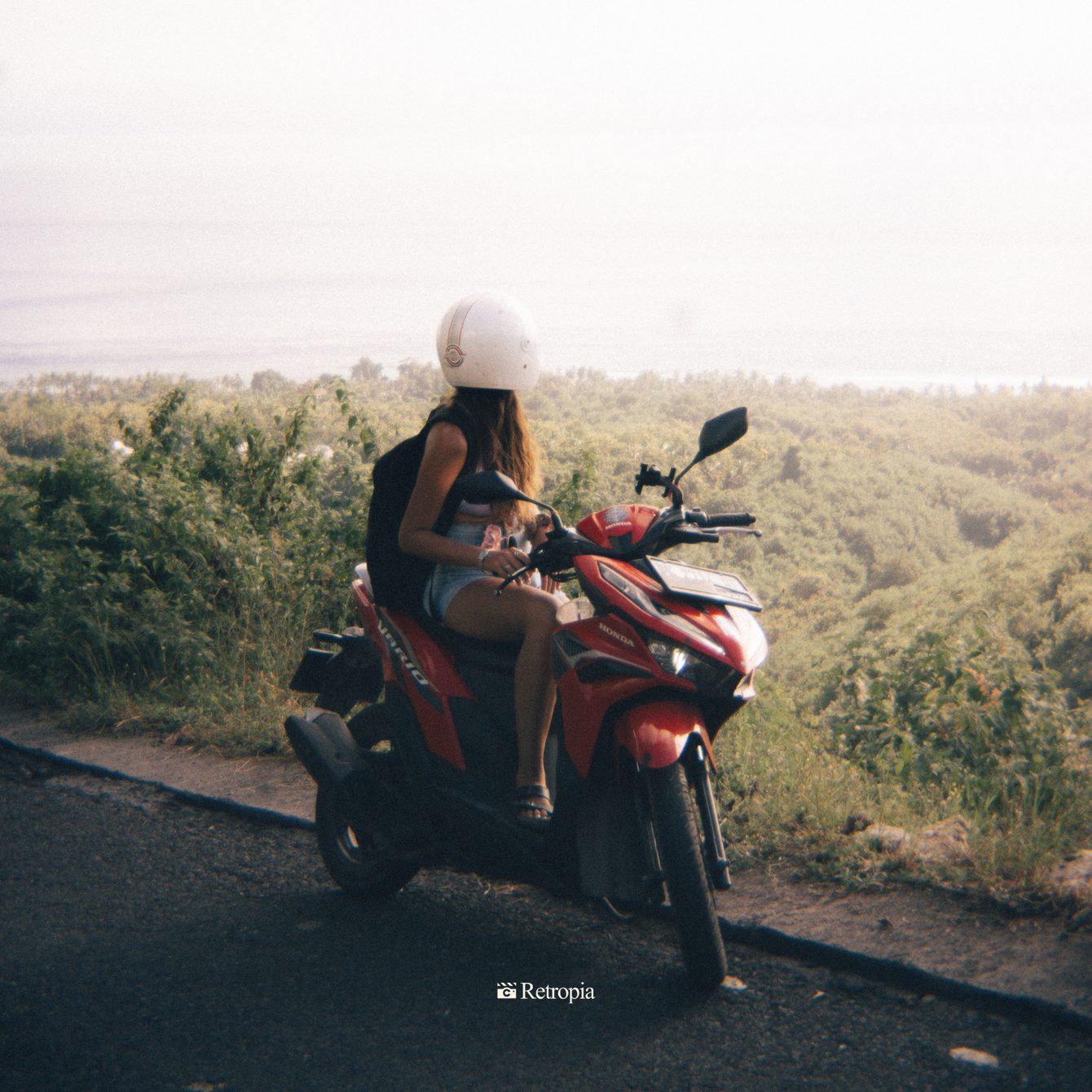
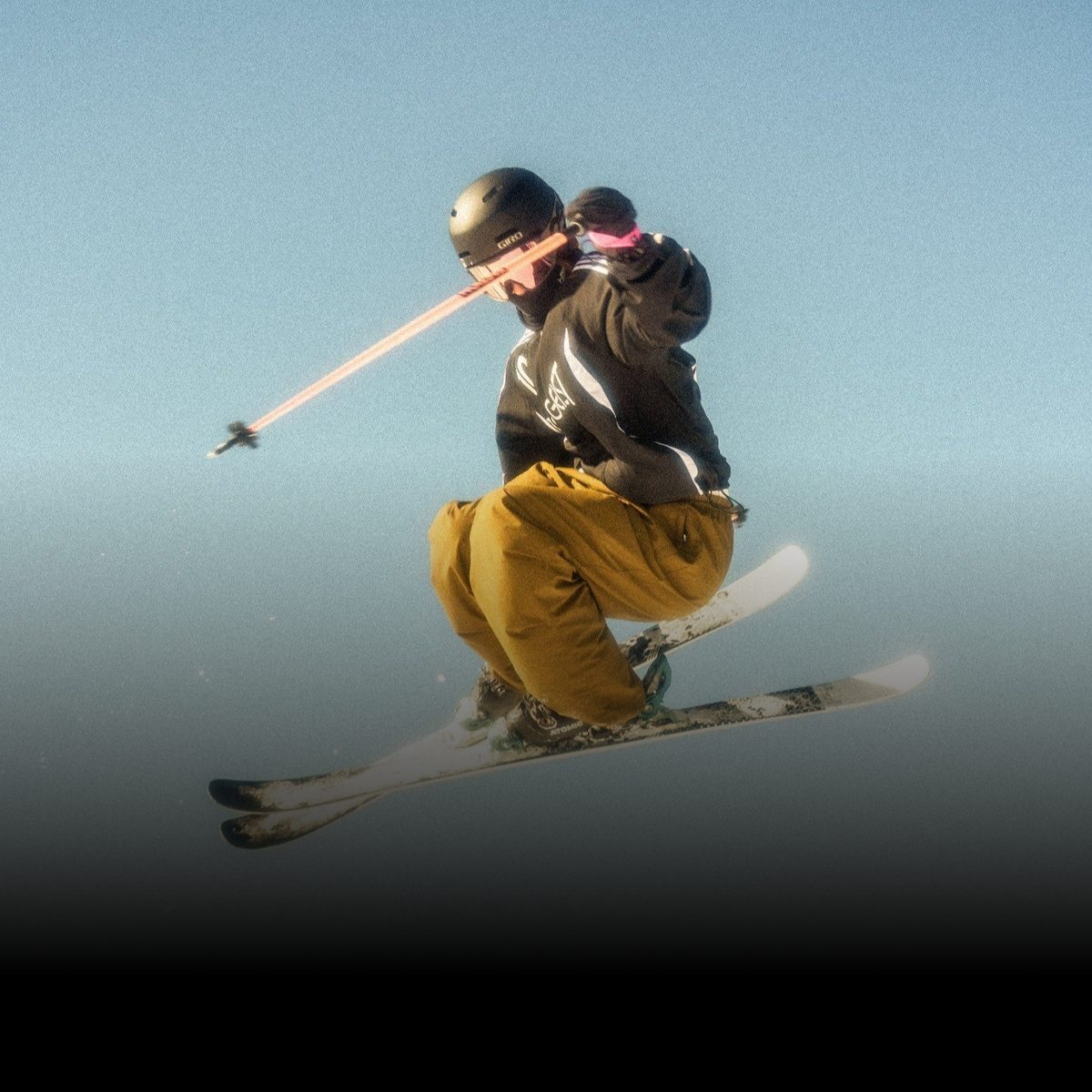
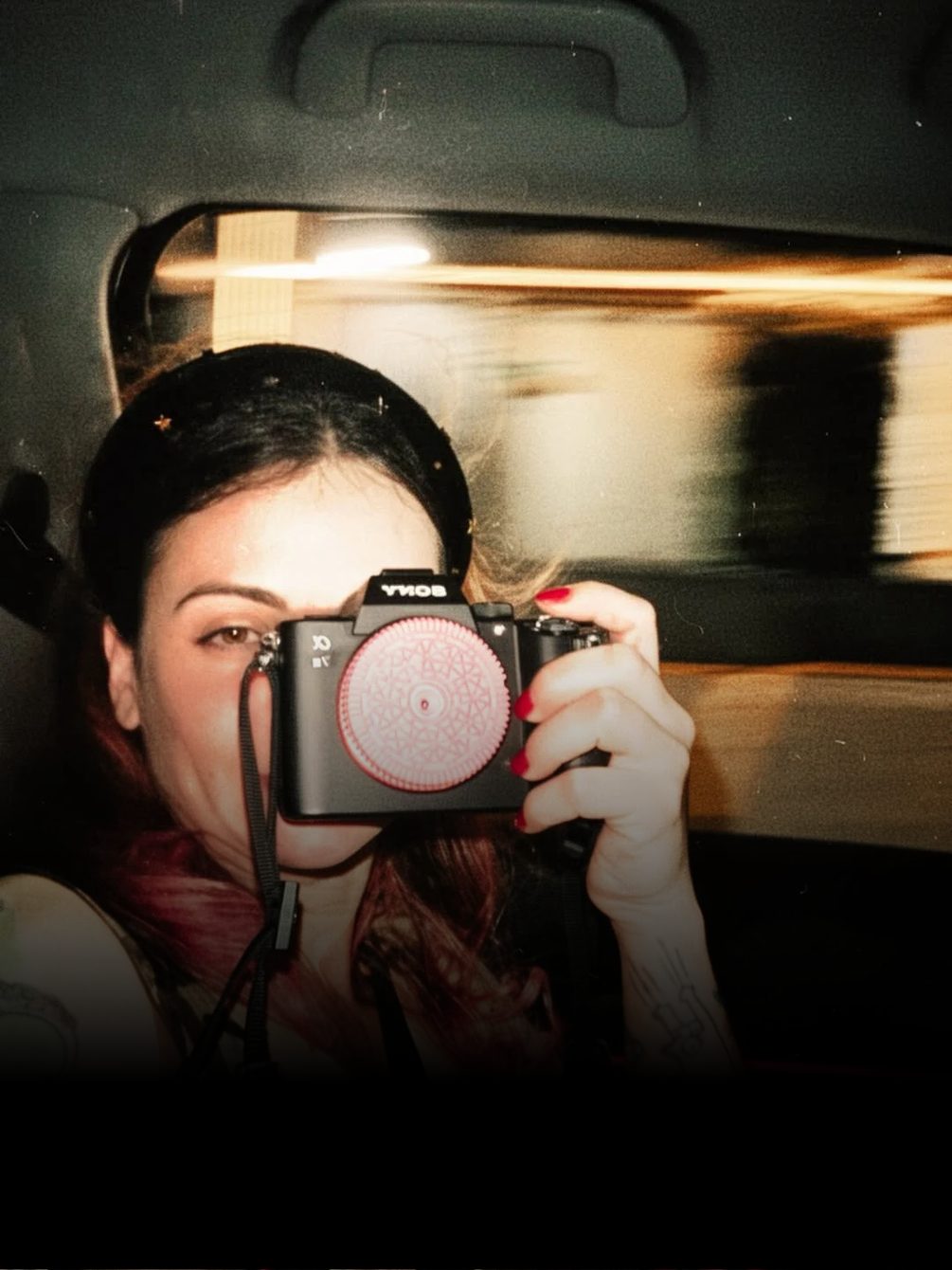

Get inspired
@retropiacam on IG
#thisisretropia